
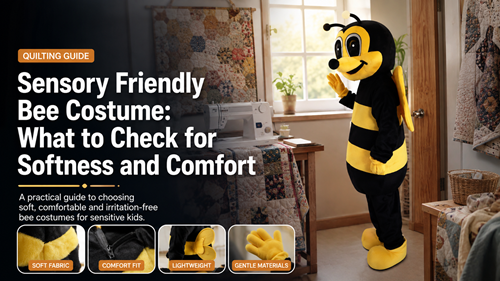
Sensory Friendly Bee Costume is easiest to choose when you start with the real activity rather than the costume photo. For caregivers seeking lower-irritation dress-up options, the useful questions are fit, movement, comfort, visibility, accessories, weather, and how easily the look can be simplified during the event.
This guide uses the exact sensory friendly bee costume search intent as a practical buying framework. Sensory comfort is individual. One child may dislike scratchy seams, another may be bothered by tight elastic, rustling wings, face paint, headwear, heat, or a change from familiar clothing. The best costume is the one the wearer can tolerate without being pushed through distress. Always compare the exact seller size chart, material description, care label, and return information because costume construction varies widely between listings.
How To Evaluate Sensory Friendly Bee Costume
The first decision is whether the costume can handle the full event: arrival, walking, sitting, photos, food, weather, and the return trip. A sensory friendly bee costume that looks correct but restricts an essential part of the activity is the wrong fit even when the labelled size appears right.
Separate the base garment from the accessories. The striped clothing determines most of the fit and temperature, while wings, antenna, tutus, masks, props, or mascot heads affect clearance, pressure, vision, storage, and how long the wearer can stay dressed.
Read the exact listing instead of transferring assumptions from another brand. Size names, fabric descriptions, stretch, closures, accessory dimensions, and cleaning directions are not standardized enough to infer from a similar product.
Comfort Checks For A Sensory Friendly Bee Costume
Check Seams Against The Skin
Turn the garment inside out and feel the shoulder, waist, underarm, and neckline seams. Rough mesh, sequins, or exposed elastic can feel more intense after longer wear. Before ordering, compare the listing photos with the measurements, closures, and activity planned for the event. A feature that works in a studio photo can behave very differently during real movement.
Compare soft seam dress up for this feature, then confirm the exact listing or official instructions before ordering.
Review Tags And Printed Labels
If the wearer dislikes tags, check whether the label can be safely removed without damaging the seam. Do not cut a care label blindly when it contains needed instructions. Use the product description as a starting point, then verify the dimension, material, attachment, or care detail that actually controls this decision. Do not assume the marketing label answers the fit question.
Use tag free Halloween clothing as a reference for this point, while checking the current dimensions, materials, or directions on the exact option you choose.
Keep The Overall Look Simple
A familiar black shirt and leggings with one or two bee accessories can be easier than a full unfamiliar outfit. The character can still read clearly with fewer elements. Test this point with the full outfit rather than one piece in isolation. Shoes, base layers, wings, headwear, bags, and weather can change how the same costume feels and moves.
Review low sensory costume ideas for a practical example, then verify that its fit and construction match the wearer and event.
Prioritize Familiar Fabric Feel
Product photos cannot show texture. Read material information and return terms, then let the wearer touch and try the costume in a calm setting before the event. If two options look similar, choose between them using comfort, adjustability, cleaning, and event duration instead of picking only by decoration. Practical differences become more important after the first hour.
For this decision, gentle fabric outfit gives a useful comparison point; the exact product details should still control the final choice.
Choose Accessories That Do Not Rustle
Wings, bells, sequins, inflatable parts, and stiff headbands can create sound or pressure. Make each accessory optional rather than essential to the look. Before ordering, compare the listing photos with the measurements, closures, and activity planned for the event. A feature that works in a studio photo can behave very differently during real movement.
Check quiet costume accessories for this specific feature and compare it with the rest of the outfit before committing to a size or accessory setup.
Respect The Wearer’s Fit Signals
A costume should still fit safely and keep vision clear, but comfort cues matter too. If the wearer repeatedly pulls, freezes, covers ears, or asks to remove an item, simplify the outfit. Use the product description as a starting point, then verify the dimension, material, attachment, or care detail that actually controls this decision. Do not assume the marketing label answers the fit question.
Use sensory aware fit to compare this requirement, then confirm current seller details and event conditions before the costume is worn.
Common Sensory Triggers To Review
Use this comparison to turn the visual costume choice into a practical event check. The exact listing always takes priority when dimensions or materials differ.
| Check | What to Look For | Why It Matters |
|---|---|---|
| Scratchy seam | Neck, waist, underarm | Soft base layer or different construction |
| Tight elastic | Waist, wrist, wing straps | Looser adjustable fit |
| Rustling material | Wings, foil, stiff tulle | Quieter fabric accessory |
| Head pressure | Antenna or hat | Optional soft headpiece |
| Heat buildup | Foam and layered suits | Simpler pieces and breaks |
Introduce The Costume Gradually Before The Event
A short home test is more useful than discovering a problem after arrival. Put on the same base layer, shoes, accessories, and outerwear planned for the event, then repeat the movements the wearer will actually need.
Pre-Event Checklist
- Let the wearer inspect the costume first
- Try one piece at a time
- Remove optional accessories
- Wear-test for a short period
- Check seams and elastic after movement
- Use familiar base clothes when helpful
- Pack a complete backup outfit
- Allow the wearer to stop at any time
Make one change at a time when something feels wrong. Loosen or remove an accessory, change the base layer, adjust the hem, or choose different shoes before replacing the entire outfit. This makes the source of the problem easier to identify.
Comfort, Choice, And Safety Come Before The Costume
The safest costume is one that supports normal movement and the actual environment. Review CPSC costume fit and accessory safety guidance alongside the product listing, venue rules, local weather, and the wearer’s individual needs. Official guidance does not replace the manufacturer’s size or care information, but it helps identify risks that product photos may not show.
Stop using or modify the costume if it blocks vision, causes pain or numbness, creates a trip hazard, becomes dangerously hot or cold, catches on mobility equipment, or cannot be removed quickly when necessary. Event plans should be flexible enough to simplify the look without forcing continued wear.
Build The Bee Look Around The Wearer’s Preferences
The best sensory friendly bee costume is the option that still works after the photo is taken. Compare the exact dimensions and construction, test the complete outfit, and keep accessories removable whenever they create a practical compromise.
A premium-looking bee costume does not need to be complicated. Clear black-and-yellow styling, secure fit, comfortable movement, sensible care, and event-specific adjustments usually create a stronger result than adding more pieces simply because they are included in the set.
Frequently Asked Questions
What makes a bee costume sensory friendly?
There is no universal formula. The useful features are the ones that match the wearer’s individual needs, such as soft fabric, low pressure, fewer accessories, and easy removal.
Should tags always be cut out?
Only if they are a known irritation and can be removed safely. Keep a photo of care and fiber information before removing a label.
Are costume wings a common sensory problem?
They can be for some people because of strap pressure, movement, sound, or the feeling of something behind the shoulders. Removable wings are easier to test.
How early should we try the costume?
Several short trials before the event can reveal pressure, texture, heat, and movement issues while there is still time to change the plan.
What if the child refuses the costume on event day?
Use the backup outfit or simplify the bee theme. Participation and comfort are more important than completing the planned look.
