
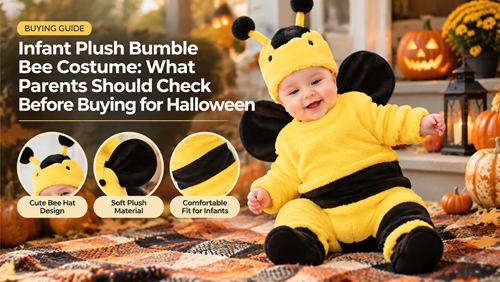
Infant Plush Bumble Bee Costume is easier to choose when the buying decision starts with the real wearer and event. This guide is for parents shopping for a soft first halloween costume for infants. It focuses on fit, comfort, movement, accessories, and the practical details that are easy to miss when shopping from photos alone.
Infant costumes have to work around carrying, feeding, diaper changes, stroller time, and frequent temperature checks. A plush look can be cute in photos but should never make it difficult to reach closures or notice that a baby is getting too warm. Always compare the current seller size chart, material details, included pieces, care instructions, and return information because costume construction can change between listings and sizes.
How to Evaluate Infant Plush Bumble Bee Costume
Infant Plush Bumble Bee Costume should be judged by how it works through the full activity, not only by whether the colors and shape look right. Check the garment or accessory from arrival through sitting, walking, photos, food, weather changes, and the trip home.
Separate the base costume from optional pieces. The base garment controls most of the fit and temperature, while wings, headwear, gloves, footwear, props, tails, or beauty accessories change clearance, pressure, storage, and how long the complete look stays comfortable.
Use the exact product listing as the final source for dimensions, materials, age guidance, included parts, and care. Similar bee costumes can use very different sizing and construction.
What to Check Before Buying Infant Plush Bumble Bee Costume
Plush Bee Outfit for Infants
Compare the baby’s current height and body measurements with the exact chart. Leave room for normal kicking and a light base layer without creating loose fabric around the face or feet.
For a concrete on-site comparison, review plush bee outfit for infants, then verify the exact measurements, materials, closures, or accessory details that apply to the option you choose.
Baby Halloween Bee Romper
Build the visual theme around the event instead of wearing every included piece. A clear black-and-yellow base plus a few secure details is usually easier to manage for several hours.
For a concrete on-site comparison, review baby Halloween bee romper, then verify the exact measurements, materials, closures, or accessory details that apply to the option you choose.
Warm Insect Costume for Babies
Match the costume to the real indoor and outdoor temperature. Use removable layers so warmth can be adjusted without changing the whole bee look.
For a concrete on-site comparison, review warm insect costume for babies, then verify the exact measurements, materials, closures, or accessory details that apply to the option you choose.
Soft Baby Costume Sizing
Compare the baby’s current height and body measurements with the exact chart. Leave room for normal kicking and a light base layer without creating loose fabric around the face or feet.
For a concrete on-site comparison, review soft baby costume sizing, then verify the exact measurements, materials, closures, or accessory details that apply to the option you choose.
Infant Trick or Treat Outfit
Compare the baby’s current height and body measurements with the exact chart. Leave room for normal kicking and a light base layer without creating loose fabric around the face or feet.
For a concrete on-site comparison, review infant trick or treat outfit, then verify the exact measurements, materials, closures, or accessory details that apply to the option you choose.
Baby Costume Diaper Access
Compare this feature with the wearer’s comfort, the event length, and the exact product construction. The best choice is the one that remains practical after the first photo.
For a concrete on-site comparison, review baby costume diaper access, then verify the exact measurements, materials, closures, or accessory details that apply to the option you choose.
Quick Comparison Table
Use this table during the try-on so visual details become checks that can be repeated before the event.
| Check | What Good Looks Like | Why It Matters |
|---|---|---|
| Body fit | Room for normal kicking and arm movement | Avoid tight elastic or compressed layers |
| Diaper access | Fast opening without full undressing | Useful during repeated changes |
| Headpiece | Stays clear of eyes and mouth | Remove if baby resists |
| Warmth | Comfortable for the actual weather | Plush fabric can trap heat |
| Car-seat use | Costume removed if it adds bulk | Harness must fit the child, not the costume |
Event-Day Fit and Setup
Do the complete wear test in the same sequence planned for event day. Problems with pressure, slipping, heat, visibility, or storage are easier to solve at home than in a school hallway, parking lot, party venue, or trick-or-treat route.
Before You Leave
- Check the product-specific size chart
- Try the outfit over the planned base layer
- Test diaper access before leaving home
- Check face and neck openings
- Remove bulky pieces for the car seat
- Pack a simple backup outfit
- Monitor warmth during indoor events
- Keep all small pieces out of reach
Change one variable at a time when something feels wrong. Adjust or remove an accessory, change the base layer, correct the hem, or choose different footwear before replacing the entire costume.
Safety and Comfort
Babies cannot reliably tell you when a costume is too hot, tight, or irritating. Keep the face uncovered, avoid long cords and small detachable decorations, and never let a plush costume interfere with a correctly fitted car-seat harness or safe sleep.
For a broader safety reference, review AAP Halloween safety guidance alongside the exact product directions and the rules of the event or venue.
Final Buying Takeaway
Infant Plush Bumble Bee Costume is a stronger purchase when the fit, accessories, and event plan are tested together. The best option is the one that stays recognizable while remaining comfortable and manageable for the intended activity.
Measure first, rehearse real movement, keep optional pieces removable, and prioritize practical comfort over a perfect photo. That approach reduces sizing mistakes and last-minute changes.
Frequently Asked Questions
Can an infant wear a plush bee costume all evening?
Use short, supervised periods and check temperature often. Remove the costume for sleep, car-seat travel, or whenever the baby seems warm or uncomfortable.
Should I size up for a baby Halloween costume?
Use the exact manufacturer chart. Sizing up blindly can create loose fabric around the face or feet, while sizing down can restrict movement.
How do I check diaper access?
Practice one complete diaper change at home while the baby is wearing the costume so you know which snaps or zippers need to open.
Are headpieces necessary for the bee look?
No. The striped body outfit can carry the theme by itself, and a headpiece should be removed if it slips or bothers the baby.
What should I pack for trick-or-treating with an infant?
Bring a normal backup outfit, diapers, wipes, a light layer for changing weather, and a bag for any costume pieces you remove.
